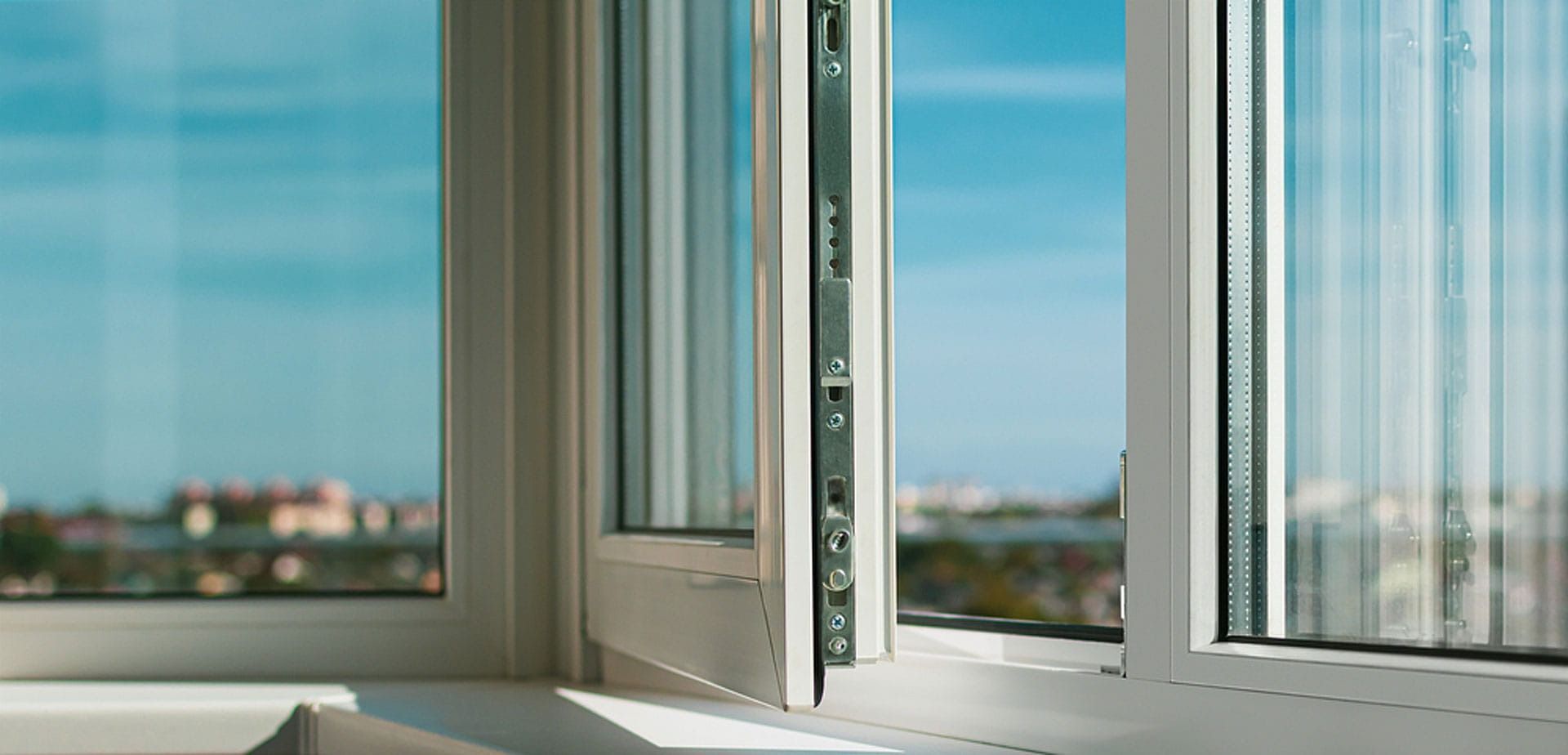
Factors to Consider for a Coastal New Build Construction Project
A practical approach to building by the ocean.
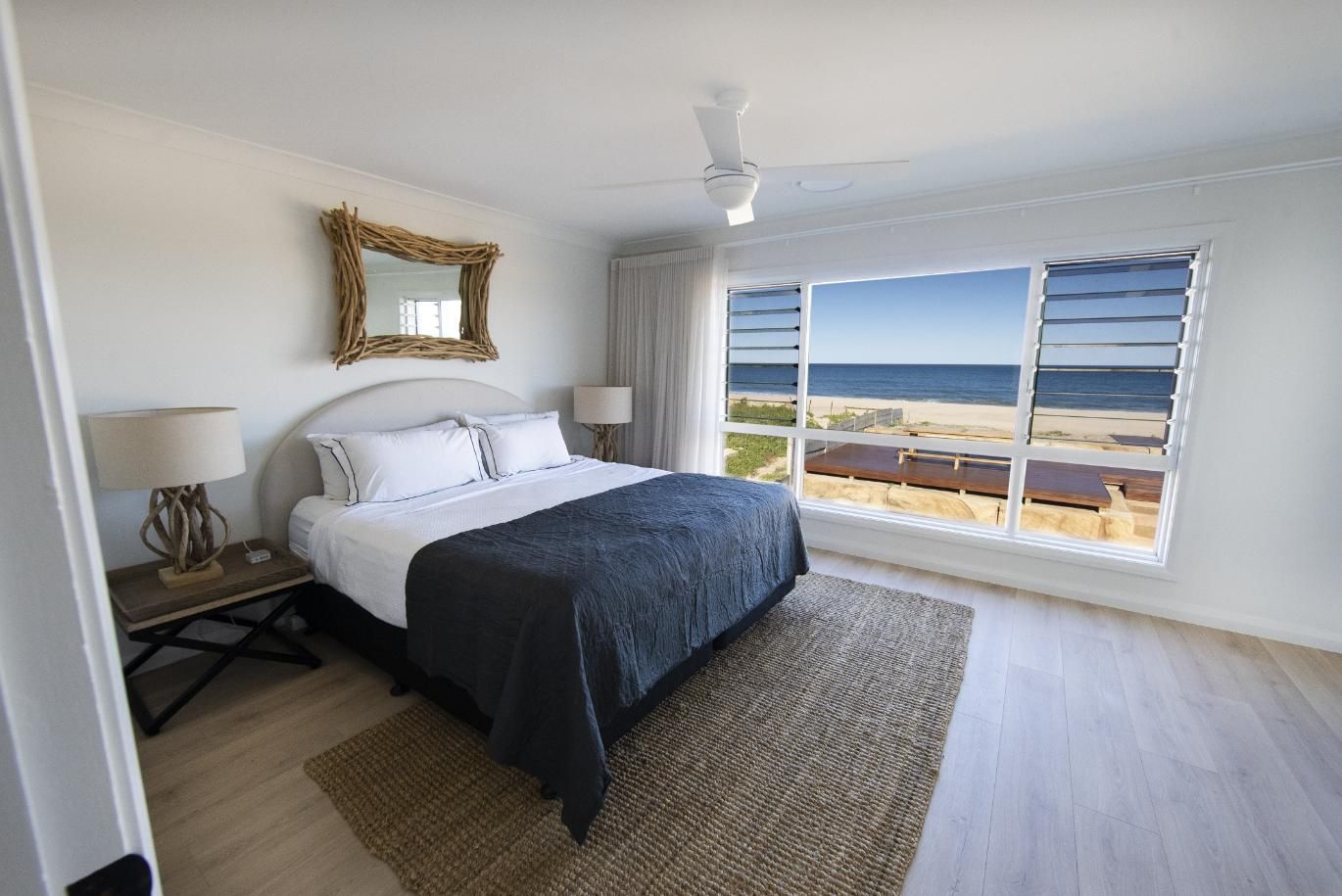
Building a new home near the coast carries a sense of excitement that’s hard to ignore. The light, the outlook and the lifestyle often drive design decisions from day one. At the same time, coastal construction introduces a unique set of technical, environmental and planning considerations that can influence everything from materials to timelines. A successful coastal build relies on thoughtful planning, informed choices and a builder who understands how these elements work together over the long term.
From early site assessments through to finishing selections, each decision plays a role in creating a home that performs well and remains comfortable, durable and practical in a coastal setting.
Understanding the Coastal Environment
Coastal conditions can be more demanding on buildings than many people expect. Salty air, higher moisture levels and stronger winds all place additional pressure on structural components and finishes. These factors need to be considered from the earliest design and construction stages to avoid unnecessary maintenance or premature wear.
A builder experienced in coastal projects will assess environmental exposure and factor this into construction planning including:
· Orientation of the home to manage wind and sun exposure
· Selection of construction methods that limit moisture intrusion
· Detailing that reduces the impact of airborne salt on structural elements
By acknowledging the environment early, the build can be tailored to withstand local conditions without compromising comfort or design intent.
Selecting Materials Suitable for Coastal Conditions
Material selection is one of the most critical decisions in a coastal new build. Some products that perform well inland may deteriorate more quickly when exposed to coastal air and humidity. Choosing materials with proven durability in these conditions helps protect both the structure and the investment over time.
Builders commonly guide clients through options such as:
· Corrosion resistant steel and fixings
· Treated or engineered timbers designed for higher moisture exposure
· External finishes and coatings that provide added protection against salt and UV exposure
Careful material planning also reduces long term maintenance demands, which is particularly important for homes exposed to coastal weather patterns.
Designing for Wind, Sun & Natural Ventilation
Coastal sites often experience strong and shifting winds, along with intense sunlight at certain times of the day. A well-considered design works with these elements rather than against them, improving comfort and energy efficiency.
During the design phase, a builder can collaborate with designers and trades to incorporate:
· Window placement that encourages cross ventilation
· Roof and eave design that manages heat gain and shading
· Structural elements designed to handle increased wind loads
These considerations help create internal spaces that feel comfortable all year round without relying heavily on mechanical heating or cooling.
Managing Moisture & Drainage Effectively
Moisture management is a recurring theme in coastal construction. Elevated humidity, heavy rainfall and sandy soils can all affect how water moves around and through a site. Without proper planning, moisture issues can lead to structural damage and ongoing maintenance challenges.
Effective moisture control strategies may include:
· Subfloor ventilation systems to reduce dampness
· Waterproofing methods tailored to coastal conditions
· Drainage solutions that direct water away from the building footprint
A builder’s role is to ensure these systems are integrated seamlessly into the construction process rather than treated as afterthoughts.
Navigating Planning & Building Requirements
Coastal construction often involves additional planning controls and building requirements aimed at protecting the environment and ensuring safe development. These can influence building height, setbacks, materials and structural specifications.
An experienced builder can assist by:
· Coordinating documentation required for approvals
· Interpreting technical building standards relevant to coastal sites
· Managing compliance throughout construction to avoid delays
This guidance helps streamline the build process and reduces the risk of costly revisions later on.
Structural Considerations for Long Term Performance
A coastal new build must be structurally sound not just at completion, but for decades to come. Structural systems need to account for wind loads, soil conditions and potential movement caused by moisture or erosion.
Builders typically address these factors through:
· Appropriate footing and foundation design
· Reinforcement methods suited to site conditions
· Construction sequencing that protects exposed elements during the build
By focusing on structural performance, the home is better positioned to age well in a coastal environment.
Balancing Aesthetic Choices with Practicality
Coastal homes are often associated with light finishes, open layouts and seamless indoor to outdoor connections. While aesthetics plays an important role, they need to be balanced with practical considerations to ensure finishes remain functional over time.
A builder can help align design preferences with practical outcomes by advising on:
· Finishes that maintain appearance with minimal upkeep
· External detailing that reduces exposure to the elements
· Interior selections suited to fluctuating humidity levels
This approach allows design goals to be achieved without compromising durability.
Planning for Ongoing Maintenance & Longevity
Every home requires maintenance, but coastal properties benefit from proactive planning that considers long term care. Understanding how materials and systems will age in coastal conditions allows owners to make informed decisions during construction.
Builders often discuss:
· Maintenance schedules linked to specific materials
· Access considerations for future repairs or inspections
· Design choices that simplify cleaning and upkeep
Thinking ahead during the build phase can reduce future costs and preserve the home’s condition over time.
Get in Touch
If you’re considering a coastal new build, having the right construction partner can make the process more straightforward and well-managed. At Beach Breeze Building, we work closely with clients on the Central Coast to navigate the challenges that come with coastal construction — from material selection to structural planning and compliance. With a clear understanding of local conditions and coastal building requirements, we help guide each project from concept through to completion. To discuss your plans or arrange a consultation, visit https://www.beachbreezebuilding.com.au/and get in touch today.